Why Artificial Turf in Austin Is a Smart Choice for Your Yard
Making the Switch to Artificial Grass in Central Texas
Living in Austin means dealing with a climate that can be tough on a natural lawn. The hot summers, periodic drought restrictions, and the constant battle against weeds and brown patches make maintaining a traditional grass yard a real chore. After years of trying to keep my own St. Augustine lawn alive through July and August, I started looking into alternatives. That is when I first considered artificial turf Austin Cen-Tex Artificial Turf as a practical solution for my own backyard. The idea of a green, usable lawn without the weekly watering and mowing was appealing, but I had questions about durability, heat, and how it would actually look up close.
What I learned is that modern artificial turf has come a long way from the shiny, plastic-looking grass of the past. Today's products are designed with realistic blade shapes, multiple color tones, and infill materials that help keep the surface cooler. For homeowners in Austin, the decision often comes down to water savings and the ability to enjoy outdoor space year-round without the constant maintenance. After doing the research and eventually having a small area installed, I can confidently say that for many yards in Central Texas, synthetic grass is not a compromise but an upgrade.
Why Austin Homeowners Are Turning to Synthetic Grass
Water conservation is a big deal here. Austin has experienced several severe droughts over the past decade, and the city's watering restrictions can leave natural grass looking stressed and brown. With artificial turf, you eliminate the need for irrigation entirely. That means lower water bills and a guilt-free green lawn even during the hottest, driest months. For families with kids and pets, the practical benefits are even more obvious. No more mud tracked into the house, no more bare spots from play, and no more allergies from grass pollen.
Another factor is the time and money saved on lawn care. Mowing, edging, fertilizing, and weeding take hours every month. Over a year, that adds up to significant labor and expense. With synthetic grass, you get that time back. Occasional rinsing and brushing are about all it takes to keep it looking good. For those who travel frequently or simply want a low-maintenance landscape, this is a huge selling point.
What to Look for in Quality Artificial Turf
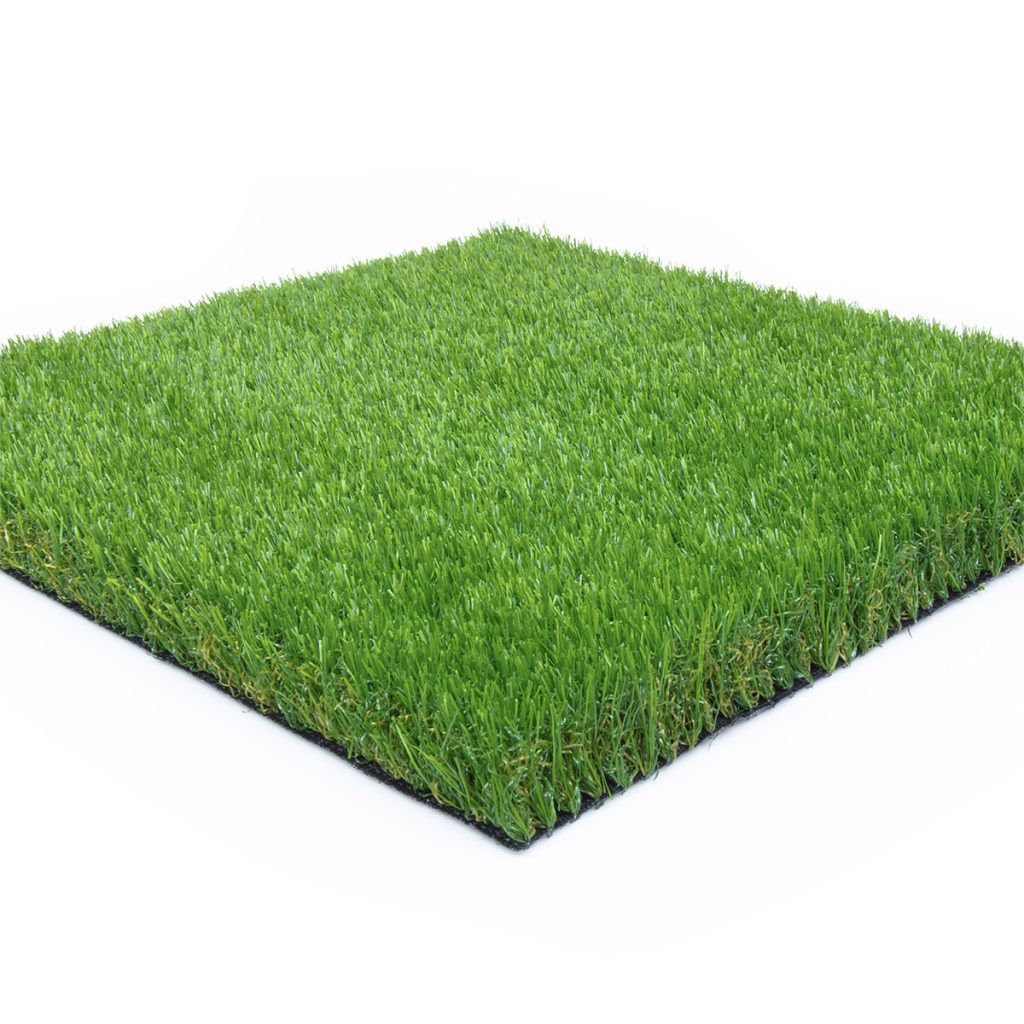
Not all artificial grass is created equal. The cheap stuff from big-box stores often looks fake, feels rough, and does not hold up well in the Texas sun. When I was shopping around, I learned to pay attention to a few key details. First, the face weight of the turf, which is the amount of yarn per square foot. Higher face weight usually means a denser, more realistic appearance. Second, the type of backing and drainage. Good turf has perforated backing that allows water to pass through easily, preventing pooling after rain. Third, the UV protection. Quality manufacturers add UV inhibitors to the fibers so the grass does not fade or become brittle after years of exposure.
I also realized that installation matters just as much as the product itself. A poor installation with uneven base preparation, visible seams, or inadequate edging can ruin the look of even the best turf. That is why working with an experienced local company is so important. They understand the specific soil conditions and drainage needs in Central Texas. When I finally decided to move forward, I reached out to a specialist who walked me through the options and explained exactly what to expect. The process was straightforward, and the results exceeded my expectations.
Practical Considerations for Austin Yards
One concern I often hear from neighbors is about heat. Dark synthetic surfaces can get hot in direct sunlight, and that is a valid consideration. However, modern turf is designed with lighter color blends and reflective infill materials that help reduce surface temperature. Placing turf in areas that get partial shade, or using shade sails over patios, can also help. In my experience, the turf gets warm but not unbearably so, and it is certainly more comfortable than walking on hot concrete or stone.
Another question is about pets. Dogs can be tough on a lawn, but artificial turf handles it well. The drainage systems are designed to let urine pass through, and occasional rinsing keeps odors at bay. Solid waste is easy to pick up, and there is no digging or mud. For pet owners, this is often a game-changer. I have seen yards where the turf stays green and clean while the neighbor's natural lawn is a mess of brown spots and holes.
Cost vs. Long-Term Value
There is no getting around the upfront cost. Quality artificial turf installation is an investment, typically ranging from several thousand dollars for a small area to much more for a full yard. But when you factor in the water savings, the elimination of lawn care equipment and services, and the durability of the product (most quality turf comes with a 15- to 20-year warranty), the math starts to make sense. Over a decade, the total cost of maintaining a natural lawn in Austin can easily exceed the cost of turf.
I have seen this firsthand with my own yard. The initial expense was significant, but I no longer pay for water in the summer, I do not own a mower, and I have not bought fertilizer or weed killer in years. The turf still looks as good as the day it was installed. For me, the value is clear. And if you are thinking about resale, a well-maintained artificial lawn can be a selling point, especially for buyers who value low maintenance and water efficiency.
Installation Tips and What to Expect
If you are considering making the switch, here are a few things to keep in mind. First, plan for proper base preparation. The ground needs to be excavated, leveled, and compacted, with a layer of crushed rock or decomposed granite for drainage. A weed barrier is also essential to prevent growth underneath. Second, choose a turf with a realistic pile height and color variation. The best products have multiple blade shapes and colors that mimic natural grass. Third, make sure the seams are invisible. A skilled installer can join pieces so well that you will not see where one ends and the other begins.
Fourth, consider adding a shock pad underneath if the turf will be used for play or sports. This adds cushioning and extends the life of the turf. Fifth, think about edging and borders. Using metal or flexible edging keeps the turf in place and gives a clean, finished look. These details make the difference between a so-so installation and one that looks truly high-end.
Real Experience, Real Results
What sold me on artificial turf was not a sales pitch but seeing a friend's yard in South Austin that had been installed three years earlier. The grass looked lush and green, even at the height of summer. The kids were playing on it, the dog was lying in the shade, and there was not a brown spot in sight. I asked about maintenance, and the answer was simple: they hose it off once a month and brush the blades to keep them upright. That was it.
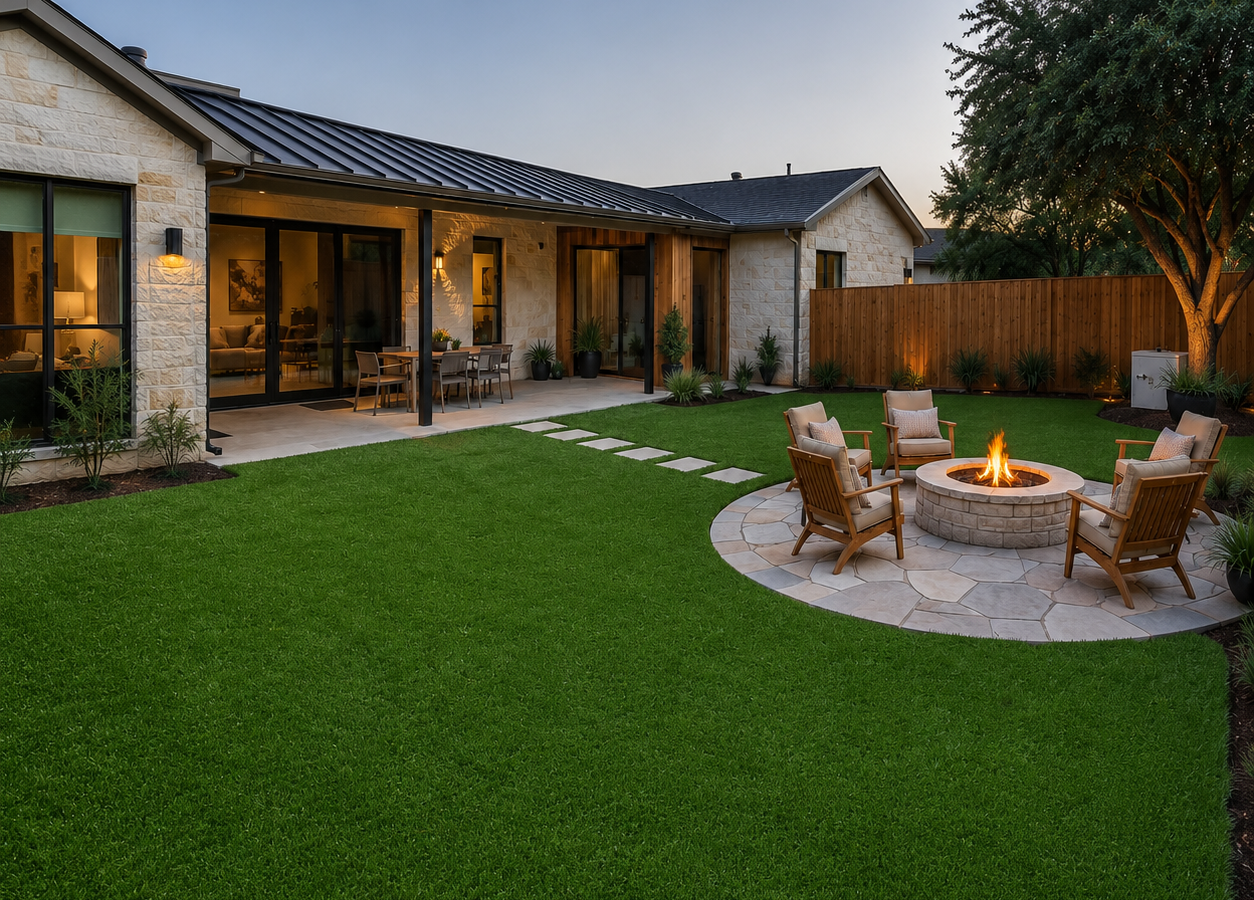
After my own installation, I can say the same. My yard went from a patchy, time-consuming headache to a space I actually enjoy using. I have hosted barbecues, watched my nephew learn to walk on it, and spent quiet evenings sitting on the grass without worrying about ticks or ants. The phrase artificial turf Austin Cen-Tex Artificial Turf came up more than once during my research and conversations with installers, and for good reason. The company has a solid reputation for quality work and honest advice. If you are in the Austin area and thinking about synthetic grass, it is worth talking to them.
Final Thoughts on Going Synthetic
Artificial turf is not for everyone. If you love the feel of real grass under your feet and do not mind the work that goes into keeping it alive, then natural grass might still be your preference. But for many Austin homeowners, the trade-offs are worth it. You get a consistently green, usable lawn that saves water, reduces maintenance, and stands up to kids and pets. The technology has improved so much that the look and feel are hard to distinguish from real turf at a glance.
My advice is to do your homework, look at samples in person, and talk to a local installer who can show you their work. The investment is real, but so are the benefits. And if you decide to go ahead, you will likely find, as I did, that your only regret is not making the switch sooner.
Follow Cen-Tex Artificial Turf on
 Instagram